

Alphabet Beginning Sounds Tracing Strips – Fine Motor Practice
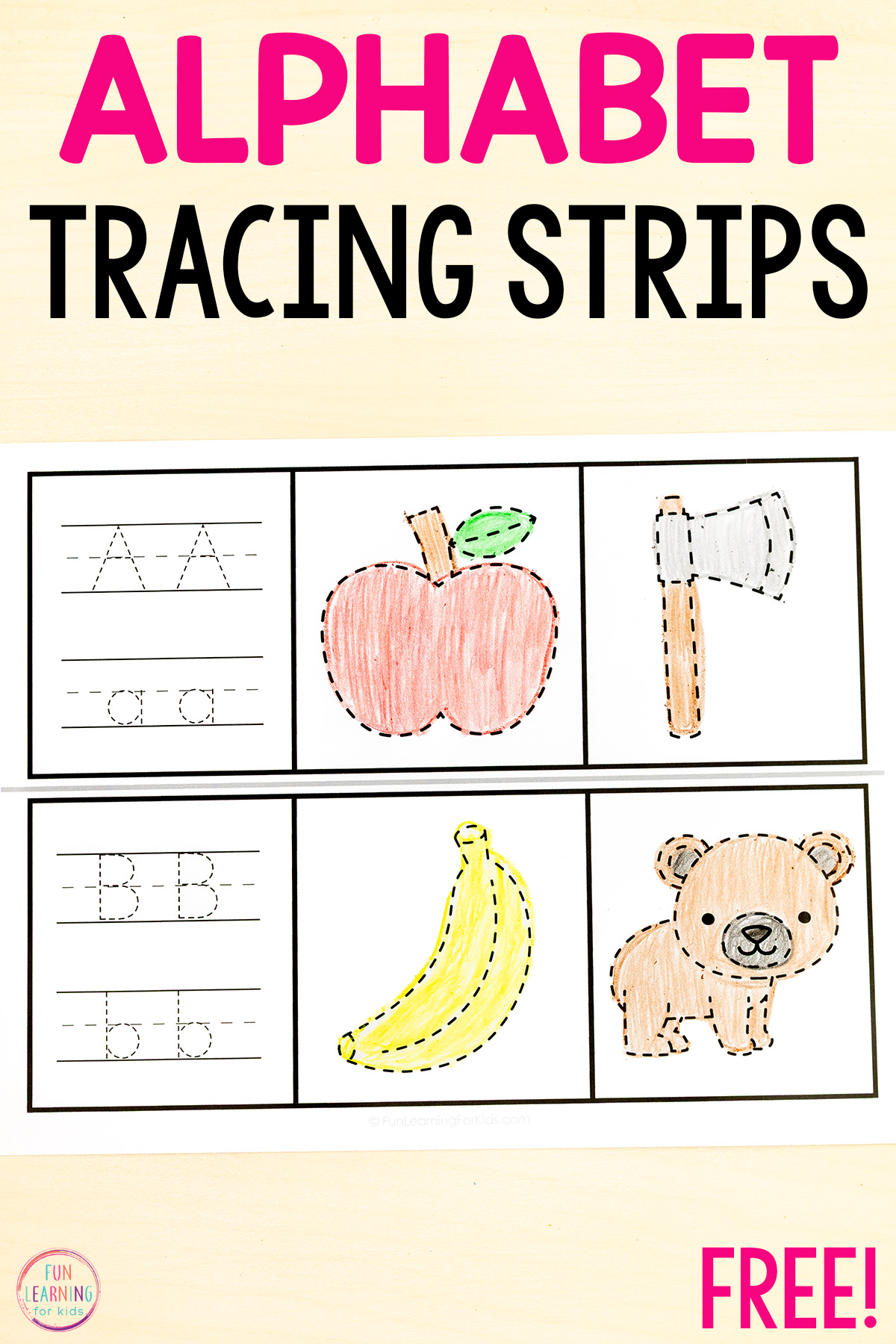
If you want a fun way to practice beginning sounds, try these Beginning Sounds Tracing Strips in your preschool or kindergarten classrooms. They’re sure to bring tons of fun to your literacy centers.
Ask any early childhood teacher or parent what the building blocks of reading look like, and letter sounds will be at the top of the list every single time. But teaching letter sounds in a way that actually sticks? That’s where a little thoughtful practice goes a long way.
These Beginning Sounds Tracing Strips make that practice feel natural and approachable for little learners, and they are simple enough to pull out any time without a big setup or explanation.
What Are These Beginning Sounds Tracing Strips?
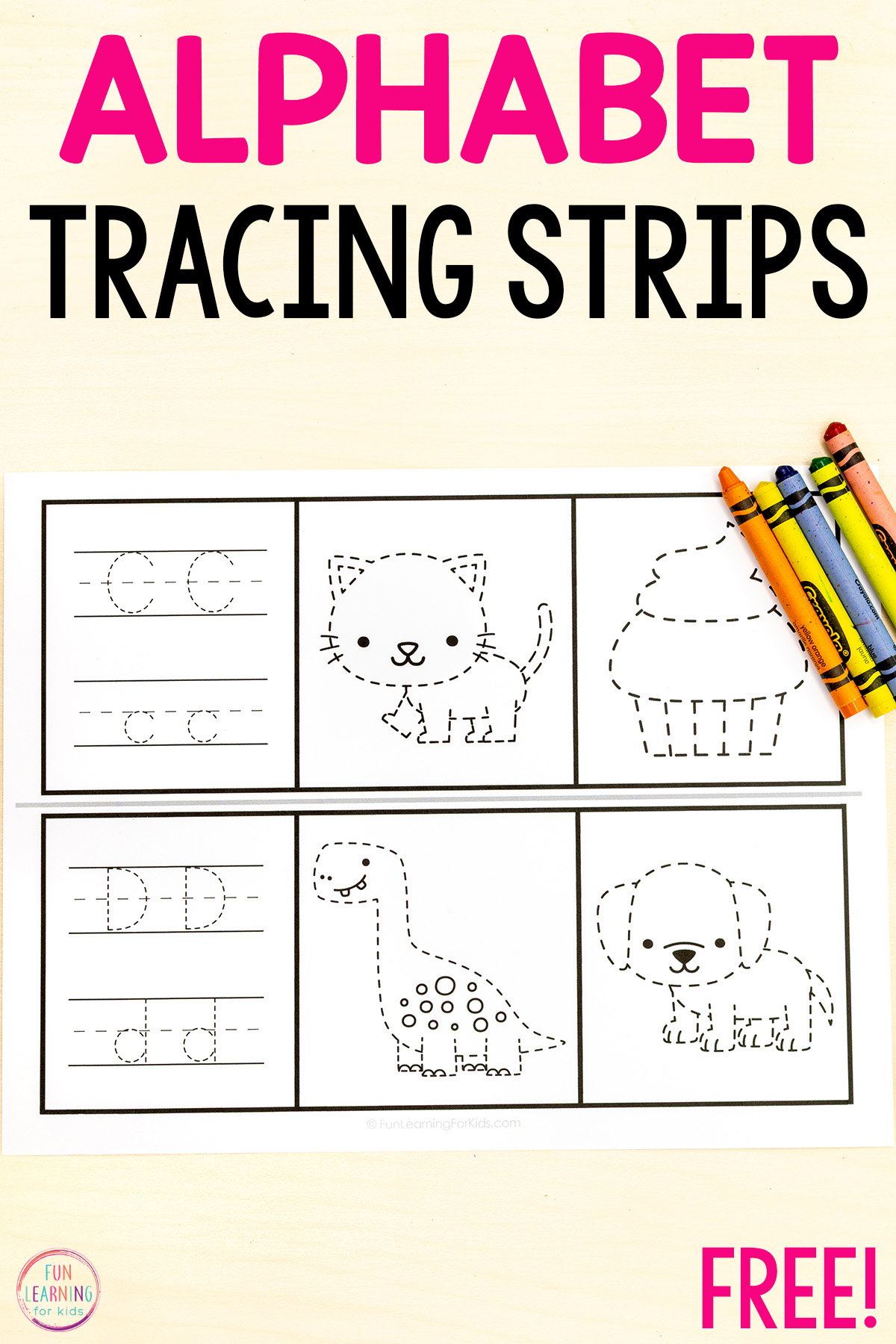
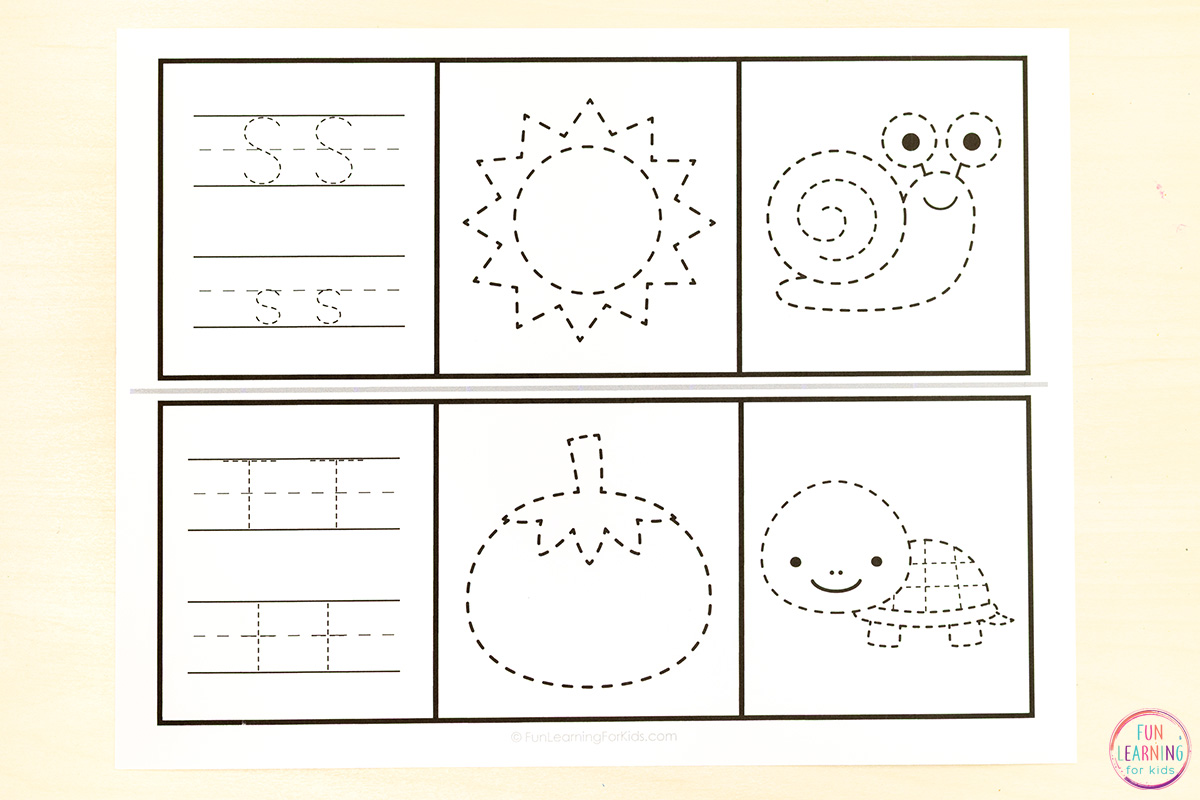
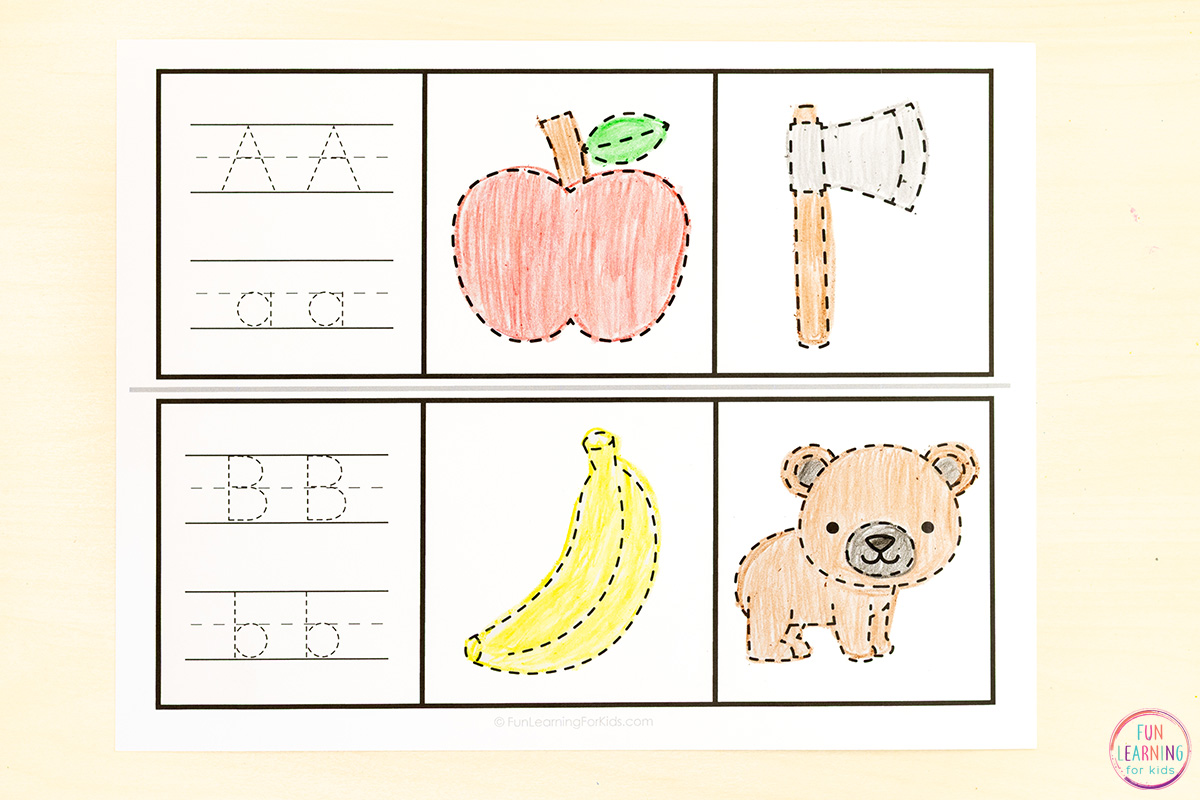
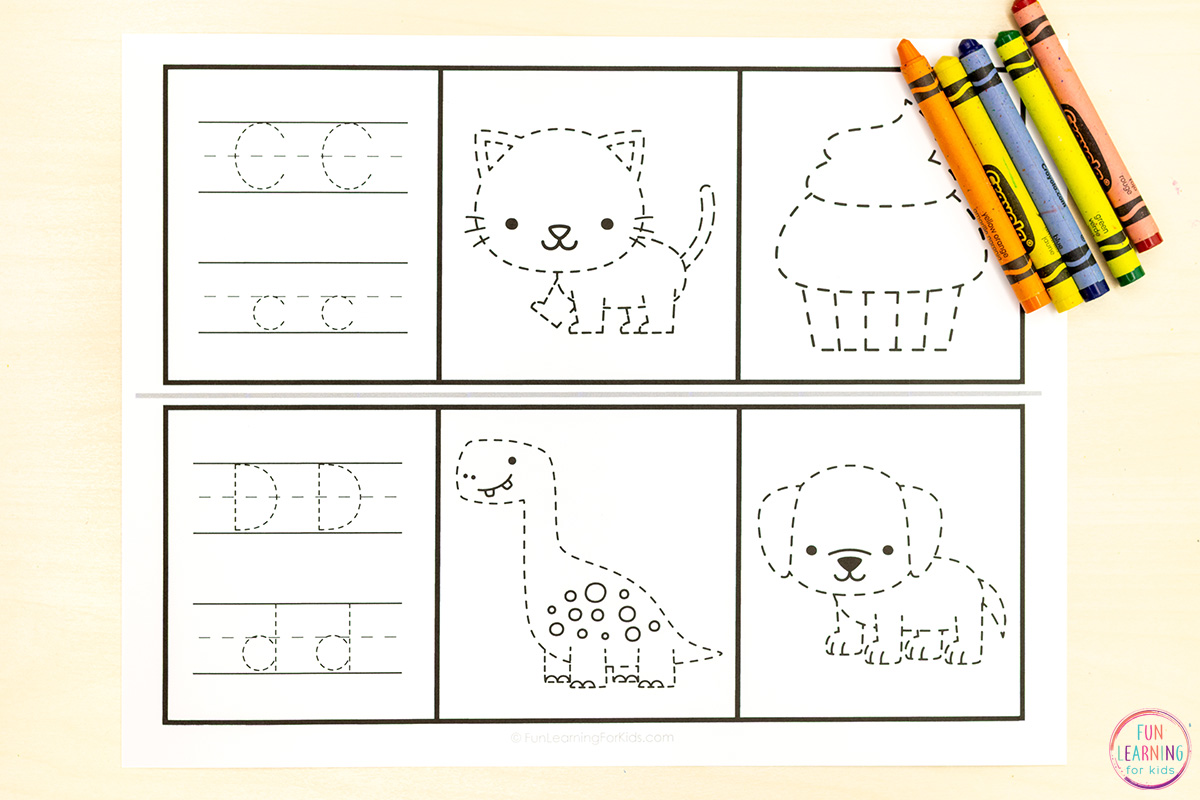
Each tracing strip focuses on one letter, keeping the practice focused without overwhelming young learners. For each letter, kids trace both the uppercase and lowercase versions to build letter formation alongside letter recognition. Then they trace two objects that begin with that letter sound, connecting the written letter to real vocabulary in a meaningful way.
It is a simple, clean format that covers a lot of ground: handwriting practice, phonemic awareness, beginning sounds and builds fine motor skills all in a fun, engaging way.
What You’ll Need
As an Amazon Associate I earn from qualifying purchases.
This one is about as low prep as it gets:
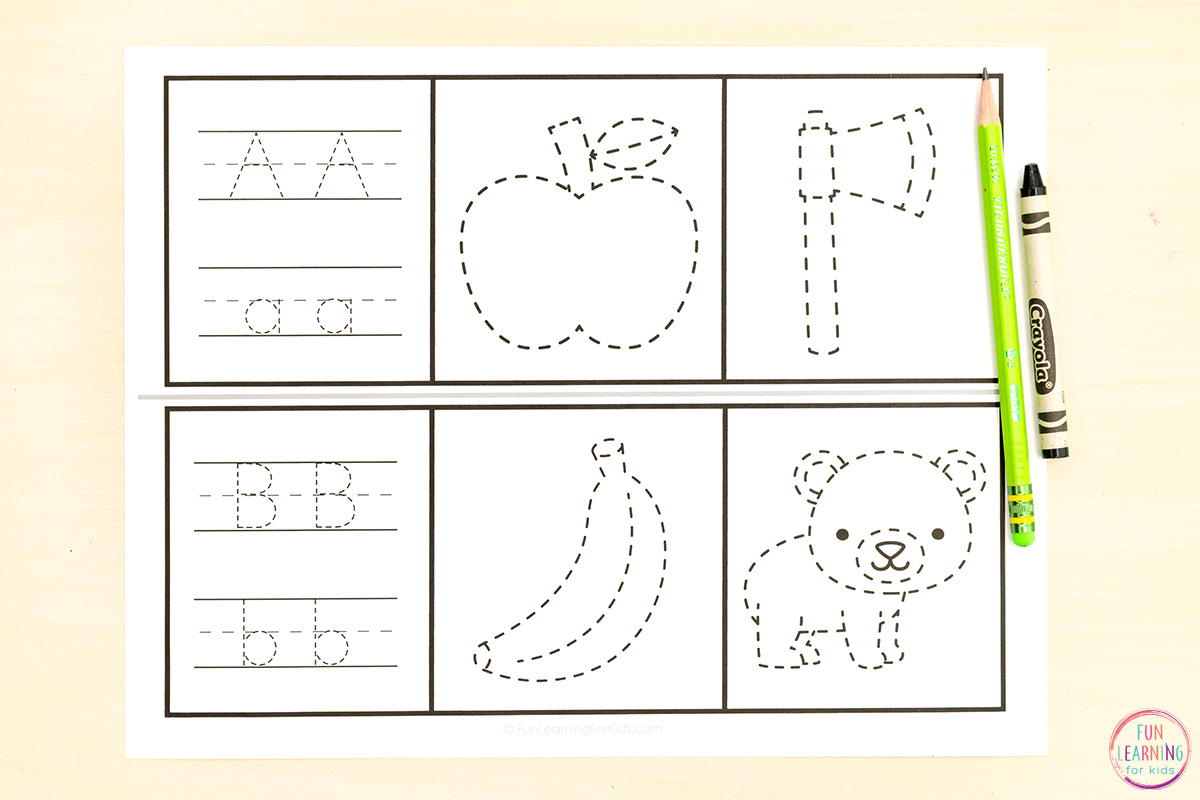
- Printed tracing sheets
- Scissors to cut them apart (optional)
- A pencil for tracing
- Crayons or colored pencils, if kids want to color the objects after tracing
That is it! These work great as a morning warm-up, a literacy center, homework, or a quiet independent activity.
Ways to Extend the Learning
Once kids have finished tracing, there are lots of easy ways to keep the learning going:
- Books: Pull out an alphabet book and find the two letters from the sheet. Let kids point to pictures that start with those sounds as you read together.
- Crafts: Do a simple letter hunt! Give kids a magazine or newspaper and have them circle or cut out pictures that start with the letters they just practiced.
- Videos: Songs are one of the best tools for cementing letter sounds. Look up a phonics song for the specific letters on the sheet and use it as a fun warm-up or cool-down.
- Hands-on extension: Have kids think of one more word that starts with each letter and draw it in their journal or on the back of the sheet. That extra step of generating their own example makes the sound connection even stronger.
Differentiation Tips
This format is wonderfully flexible for a range of learners:
- For emerging learners: Focus on one letter at a time rather than both. Say the letter sound together out loud before and after tracing, and name the objects together to reinforce the connection.
- For on-level learners: Let them work independently through the sheet, then do a quick check by asking them to name the objects and tell you what sound they both start with.
- For advanced learners: After completing the sheet, challenge them to write the names of the two objects independently without looking, or brainstorm a short list of additional words that start with each letter.
- For extra practice: These sheets pair perfectly with letter manipulatives, magnetic letters, or playdough letter mats for a multi-sensory approach that reinforces the same skills in a different way.
These strips are also a great tool for small-group instruction, intervention support, or sending home as a simple family activity that parents can do without any explanation.
Make sure you grab your free Beginning Sounds Tracing Strips and use them to give your early learners a simple, structured way to practice letter formation and phonics together.
For more alphabet activities, check these out:
26 Alphabet Beginning Sounds Letter Tracing Worksheets
Unicorn Beginning Sounds Task Cards Alphabet Activity
Feed the Polar Bear Beginning Sounds Task Cards
Silly Monster Beginning Sounds Task Cards